
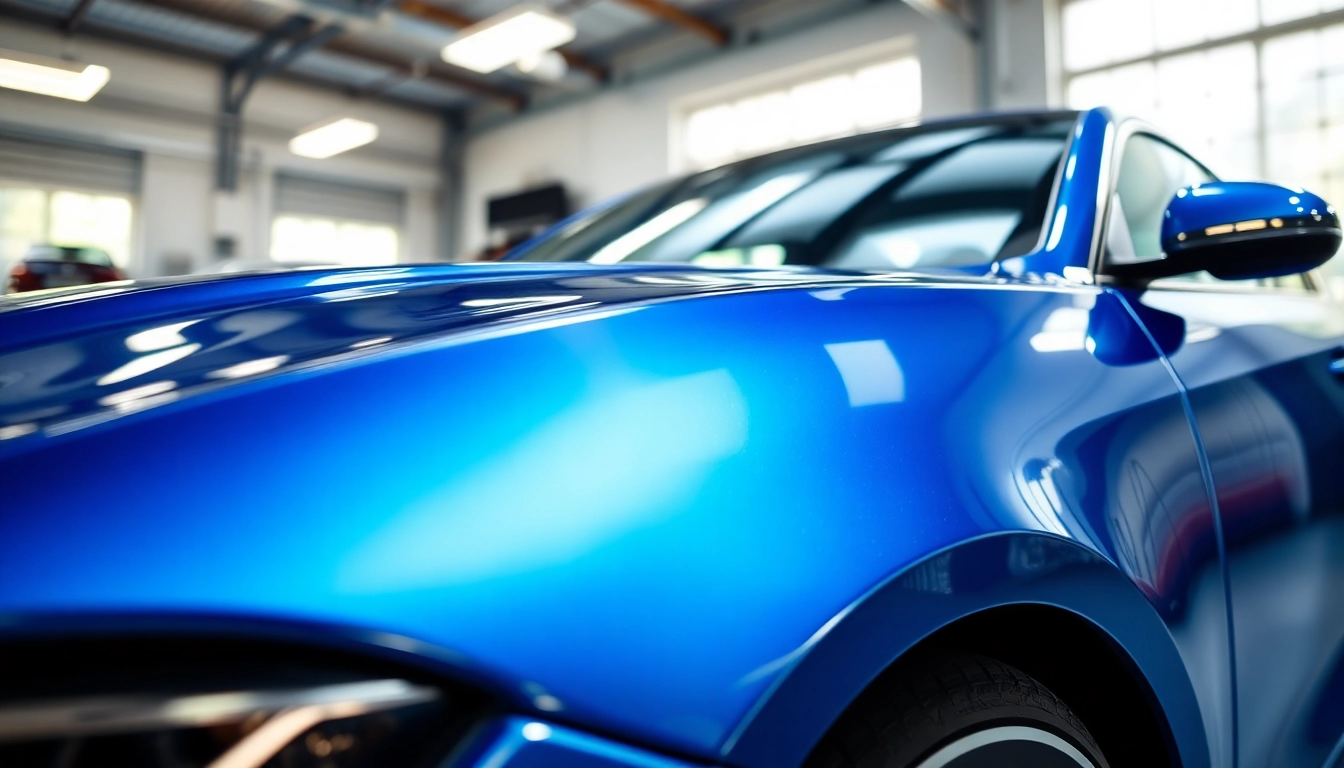
Understanding Paint Protection Film
What is Paint Protection Film?
Paint Protection Film (PPF) is a transparent, durable urethane film applied to the painted surfaces of vehicles to protect against various environmental hazards. It acts as a barrier against scratches, chips, and contaminants, ensuring the vehicle’s aesthetic appeal and resale value are maintained. PPF is designed to self-heal minor abrasions, which enhances its longevity and effectiveness. Whether you’re concerned about highway debris, bird droppings, or tree sap, PPF provides an excellent safeguard for your investment. If you’ve been considering options for paint protection film near me, understanding its core features is essential in making an informed decision.
Benefits of Using Paint Protection Film
The advantages of Paint Protection Film extend beyond mere aesthetic preservation. Here are some of the noteworthy benefits:
- Durability: PPF is engineered to withstand impacts from road debris, UV rays, and other damaging elements, making it far more resilient than traditional wax or sealants.
- Self-Healing Properties: Many modern PPF products can self-heal from minor scratches and swirl marks when exposed to heat, keeping your vehicle looking pristine over time.
- UV Protection: It protects the car’s paint from the harmful effects of UV rays, which can cause fading and discoloration.
- Ease of Maintenance: The smooth surface of PPF makes it easier to clean compared to untreated paint, helping reduce maintenance efforts.
- Resale Value: Protecting your vehicle’s exterior with PPF can help maintain its value by preventing unsightly paint damage, making it a worthwhile investment.
Common Myths About Paint Protection Film
Despite its advantages, there are misconceptions surrounding Paint Protection Film. Here are some common myths debunked:
- PPF is only for new cars: While it’s often applied to new vehicles, PPF can benefit older cars too by restoring or preserving the paint.
- Paint Protection Film damages paint: When installed correctly, PPF does not harm the paint underneath. In fact, it protects it.
- All films are the same: Not all PPFs are equal; variations in quality, thickness, and durability exist among manufacturers and products.
- PPF changes the color of the vehicle: High-quality films are designed to be transparent and invisible, ensuring the car’s original finish shows through.
How to Choose the Right Paint Protection Film
Evaluating Different Types of Film
When searching for the right Paint Protection Film, understanding the different types available is crucial. Films can vary in thickness, material, and protective features. Here are the primary options:
- Self-Healing Films: These are popular due to their ability to recover from minor scratches.
- Matte Films: Ideal for those wanting to protect matte finishes without adding gloss.
- Hybrid Films: Combines features of both traditional and self-healing films, offering versatility.
Factors to Consider When Selecting Film
Choosing the right PPF for your vehicle involves evaluating several factors:
- Durability and Warranty: Look for films that come with extensive warranties, indicating manufacturer confidence in durability.
- Thickness: Thicker films generally provide better protection but may be harder to install.
- Brand Repurchase: Research brand reputation and reviews to ensure high quality.
- Finish Preference: Decide whether you want a glossy or matte finish to match your vehicle’s aesthetic.
Where to Find Quality Products
Finding quality Paint Protection Film requires diligence and research. Consider the following strategies:
- Authorized Dealers: Seek out official dealers or installers known for reputable brands.
- Online Reviews: Utilize platforms that provide consumer reviews, allowing you to gauge user satisfaction.
- Professional Recommendations: Talk to automotive professionals who can guide you towards high-performance products.
Installation Process of Paint Protection Film
DIY vs Professional Installation
Installation is a crucial step in achieving the benefits of Paint Protection Film. Depending on your skill level and the complexity of your vehicle, you can choose between DIY installation or hiring professionals:
- DIY Installation: This may save you money, but the process requires precision, experience, and the right tools to avoid bubbles and misalignments.
- Professional Installation: While it may be more expensive, professional installers have experience and knowledge that can yield better results.
Preparation Steps for Installation
Whether you employ a DIY approach or hire experts, preparation is key:
- Clean the Surface: Thoroughly wash and dry the car to ensure no dirt affects adhesion.
- Inspect for Damage: Repair any paint scratches or chips beforehand to prevent them from becoming visible under the film.
- Gather Equipment: If installing yourself, ensure you have all necessary tools including a squeegee, heat gun, and application solution.
Maintenance After Installation
Post-installation care is essential to maximize the film’s life. Follow these tips:
- Avoid Car Washes: Steer clear of automatic car washes for the first few weeks. Hand washing is more gentle.
- Use Mild Cleaners: Opt for pH-balanced car soaps to prevent degradation of the film.
- Inspect Regularly: Keep an eye on edges and seams, watching for lifting or damage.
Cost Considerations for Paint Protection Film
Factors Affecting the Price of Installation
The cost of applying Paint Protection Film can vary greatly based on several factors:
- Vehicle Size and Type: Larger vehicles or those with complex shapes may require more material and time.
- Film Quality: Higher-grade films tend to be more expensive but offer better protection and longevity.
- Professional Labor: Hiring a professional installer increases the cost due to service charges.
Budgeting for Paint Protection
Creating a budget for Paint Protection Film involves estimating all possible costs:
- Material Costs: Investigate different film types and their respective prices.
- Installation Fees: Factor in potential professional installation costs if applicable.
- Maintenance Expenses: Budget for specialized cleaning and maintenance products needed to care for the film.
Value Analyzing Long-term Benefits
While the upfront costs for Paint Protection Film can seem significant, examining long-term benefits can provide insight into its value:
- Potential Resale Value: Vehicles with PPF often retain higher resale value due to maintained appearance.
- Lower Repair Costs: Investing in PPF can minimize the need for expensive paint repairs.
- Enhanced Driving Experience: A vehicle that looks good enhances pride in ownership, which is a non-monetary benefit.
Frequently Asked Questions About Paint Protection Film
How long does paint protection film last?
Typically, paint protection films can last between 5 to 10 years, depending on environmental factors and maintenance routines.
Can I wash my car after installation?
Yes, however, it’s recommended to wait at least a week after installation before washing to allow proper adhesion.
Does paint protection film yellow over time?
High-quality PPF is engineered to resist yellowing; however, low-quality films may discolor depending on exposure to UV light and pollutants.
Is paint protection film removable?
Yes, PPF can be removed safely without damaging the underlying paint, provided it is done correctly.
Will paint protection film damage my paint?
No, when installed correctly, PPF protects the paint underneath from damage while shielding it from external elements.
