Understanding Sports Broadcasting Fundamentals
What is Sports Broadcasting?
Sports broadcasting encompasses the live or recorded transmission of sporting events to audiences through various media platforms. This involves playing sports content through television, radio, online streaming services, and even social media. In essence, it is the art of telling sports stories, connecting fans with the games they love, and providing commentary that enhances viewer engagement. The field has expanded significantly over the years, with advancements in technology paving the way for richer multimedia experiences. Notably, many of these advancements help boost the overall viewership and accessibility of sporting events, making Sports Broadcasting crucial for fans worldwide.
The Role of Technology in Sports Broadcasting
Technology plays a pivotal role in the evolution of sports broadcasting. Innovations such as high-definition television, virtual reality (VR), and augmented reality (AR) provide immersive experiences that transfer audiences directly into the arenas. With features like instant replay, multi-angle views, and graphic overlays that present real-time statistics, technology elevates the viewer experience significantly.
Furthermore, mobile technologies allow fans to access updates and watch highlights on-the-go, which creates a more interactive approach to sports engagement than ever before. Streaming platforms have democratized sports broadcasting, providing avenues for lesser-known sports and events to gain significant exposure and reach niche audiences.
Types of Sports Broadcasting Opportunities
Sports broadcasting careers can be diverse, ranging from play-by-play commentators to sports analysts and reporters. Below are various paths available within this dynamic field:
- Play-by-Play Commentators: These broadcasters describe the action as it happens, offering detailed insights and maintaining the excitement of live events.
- Color Commentators: These professionals provide additional analysis and background stories, adding depth to the televised or streamed events.
- Sports Reporters: Journalists who cover news leading to and following an event, including post-game analysis and interviews with players and coaches.
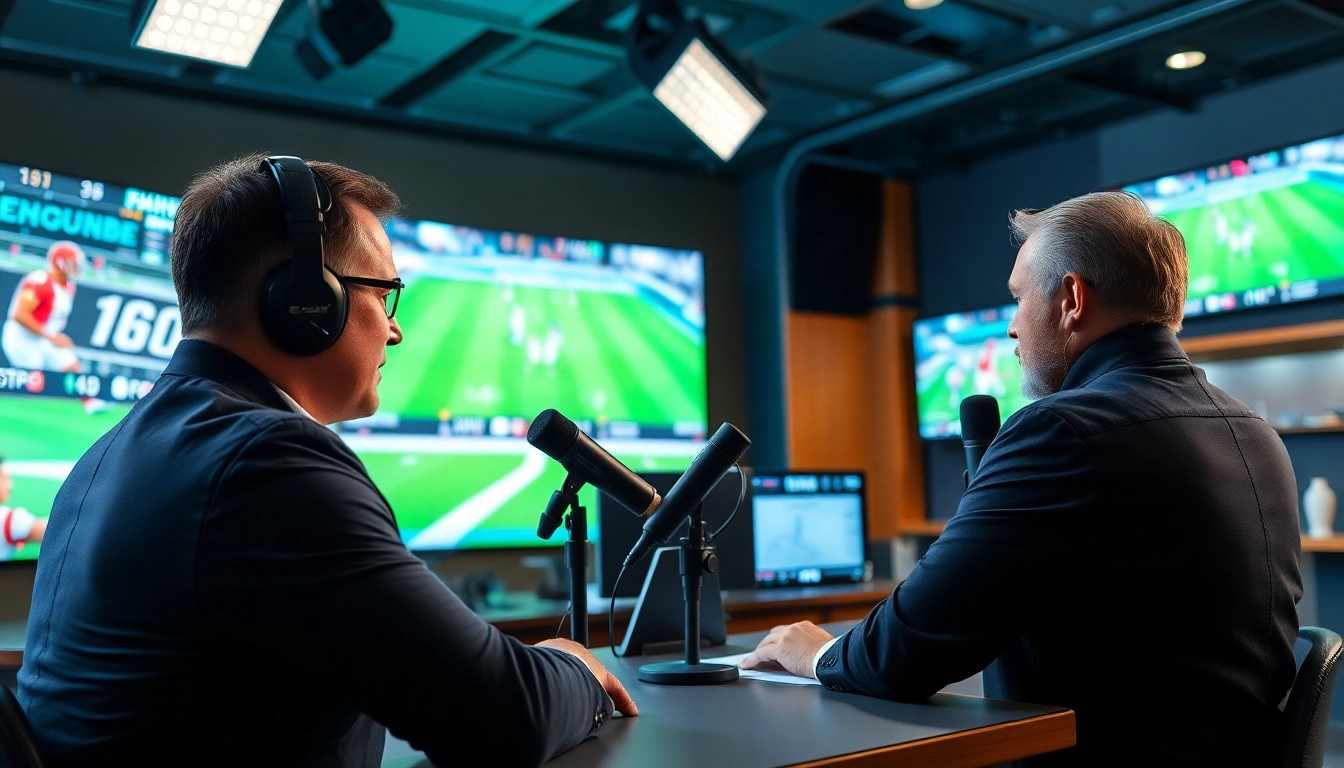
- Podcast Hosts: As the popularity of podcasts grows, many broadcasters have turned to audio formats for in-depth discussions and interviews within the sports realm.
- Digital Content Creators: These individuals create engaging content for social media platforms, such as highlights, meme content, and opinion pieces that resonate with fans.
Essential Skills for Sports Broadcasters
Effective Communication Techniques
Effective communication is at the core of sports broadcasting. Broadcasters must articulate information clearly and compellingly, allowing audiences to better understand and engage with the live-action. Here are some key techniques:
- Clarity: Use clear and concise language that is easily understood, avoiding jargon that may confuse viewers.
- Engagement: Connect emotionally with the audience through storytelling, humor, and passion for the sport.
- Body Language: Use confident body language that reflects your enthusiasm and knowledge.
Research and Preparation Strategies
Thorough research and meticulous preparation are essential for successful sports broadcasting. Broadcasters should stay informed about team statistics, player backgrounds, and game strategies. Here are some approaches to effective research:
- Analyze past performances and trends to inform commentary.
- Create a list of talking points to ensure comprehensive coverage during live broadcasts.
- Familiarize yourself with player statistics and career milestones.
Developing On-Air Presence and Personality
A strong on-air presence distinguishes successful sports broadcasters from their peers. Personal charisma, authenticity, and relatability help create a connection with the audience. Consider these tips to enhance your on-air personality:
- Practice: Rehearse your delivery and work on your speaking style to sound natural.
- Feedback: Seek constructive criticism from peers and mentors to refine your approach.
- Authenticity: Be genuine in your commentary and allow your personality to shine through.
Trend Analysis in Sports Broadcasting
Impact of Social Media on Sports Broadcasting
Social media has revolutionized the way audiences engage with sports broadcasting. Platforms such as Twitter, Instagram, and TikTok have become vital for promoting events, sharing highlights, and connecting with fans directly. Broadcasters can leverage social media to:
- Engage Fans: Use live tweets and stories to provide real-time insights that improve audience interaction.
- Community Building: Foster discussions and create fan communities through dedicated social media accounts.
- Brand Partnering: Collaborate with influencers to expand reach and visibility.
Emerging Technologies in Sports Broadcasting
The landscape of sports broadcasting is constantly evolving with emerging technologies. Some notable trends include:
- Virtual and Augmented Reality: These immersive technologies allow viewers to experience events from various perspectives, enhancing interaction.
- AI and Data Analytics: Artificial intelligence assists in analyzing player performance and generating predictions that broadcasters can share during commentary.
- 5G Technology: This technology promises faster internet speeds, enabling smooth streaming of high-definition broadcasts even in crowded areas.
Changing Audience Preferences and Engagement
The preferences of sports audiences are evolving. Younger viewers seek tailored experiences, such as short highlight reels, interactive content, and personalized viewing. Broadcasters must adapt their strategies by:
- Personifying content that resonates with younger demographics.
- Utilizing interactive platforms that allow fans to ask questions or share insights.
- Creating tailored subscription models that cater to niche sports interests.
Best Practices for Sports Broadcasting
Creating Compelling Commentary
Compelling commentary is key to enhancing sports broadcasting. Broadcasters should focus on creating engaging narratives that highlight not just the action but also the emotions and stakes involved:
- Descriptive Language: Use vivid adjectives and metaphors to paint pictures in the mind of the viewer.
- Contextualize Action: Present important background information about players and teams to enrich the viewing experience.
- Build Anticipation: Foster excitement by forecasting plays and playing up rivalries.
Building Relationships with Sports Organizations
Establishing strong relationships with sports organizations is critical for broadcasters. Such connections can enhance content access and line up interviews with key figures:
- Networking: Attend sports events and engage in discussions to cultivate meaningful relationships with organization representatives.
- Collaboration: Work with teams to produce exclusive interviews or behind-the-scenes content.
- Trust Building: Maintain ethical standards and transparency in your reporting to foster ongoing relationships.
Maintaining Ethical Standards in Broadcasting
Ethical standards are paramount in sports broadcasting. Broadcasters must strive for honesty and integrity while reporting, avoiding conflicts of interest and sensationalism. Key areas include:
- Accurate Reporting: Ensure all information is verified and factual before broadcasting.
- Fair Representation: Avoid biases and present a balanced view that respects all parties involved.
- Transparency: Disclose any affiliations or conflicts that may influence your commentary or reporting.
Measuring and Analyzing Sports Broadcasting Success
Key Performance Indicators for Broadcasters
Establishing metrics to assess broadcasting success is essential for growth and improvement. Commonly used key performance indicators (KPIs) include:
- Viewership Ratings: Track the number of viewers and their demographics to assess content reach.
- Audience Retention: Measure how long viewers stay engaged during broadcasts.
- Sponsorship Revenue: Analyze income from sponsorships as an indicator of marketability.
Audience Engagement Metrics
Engagement metrics provide insight into how the audience interacts with content. Important metrics in sports broadcasting include:
- Social Shares: Measure how many times your content is shared across social media platforms.
- Comments and Reactions: Analyze audience feedback to gauge sentiment and interest.
- Audience Surveys: Conduct surveys to collect qualitative data on viewer preferences and satisfaction.
Improving Performance through Feedback
Feedback is an invaluable tool for broadcasters looking to refine their on-air performance. Key strategies include:
- Peer Reviews: Involve colleagues in reviewing broadcasts to identify areas of improvement.
- Viewer Feedback: Utilize viewer surveys and social media responses to gather insights about what audiences value.
- Continuous Learning: Attend workshops and seek professional development opportunities to stay updated on industry trends.
Frequently Asked Questions
1. What skills do I need to be a sports broadcaster?
You need strong communication, research capabilities, an on-air personality, and a deep understanding of the sports you’re covering.
2. How can I get started in sports broadcasting?
Begin by gaining experience through internships, volunteering for local sports outlets, or starting your own podcast or YouTube channel.
3. What technologies are impacting sports broadcasting?
Technologies like high-definition video, AR/VR, artificial intelligence, and social media platforms are significantly impacting the industry.
4. How do sports broadcasters engage with their audience?
They use social media, interactive content, and real-time commentary to foster audience engagement and build community.
5. What ethical considerations should sports broadcasters keep in mind?
Broadcasters should provide accurate information, represent all parties fairly, and maintain transparency regarding biases or conflicts of interest.